
Why Businesses Are Investing in Cybersecurity Consulting Services to Protect Digital Assets in 2026
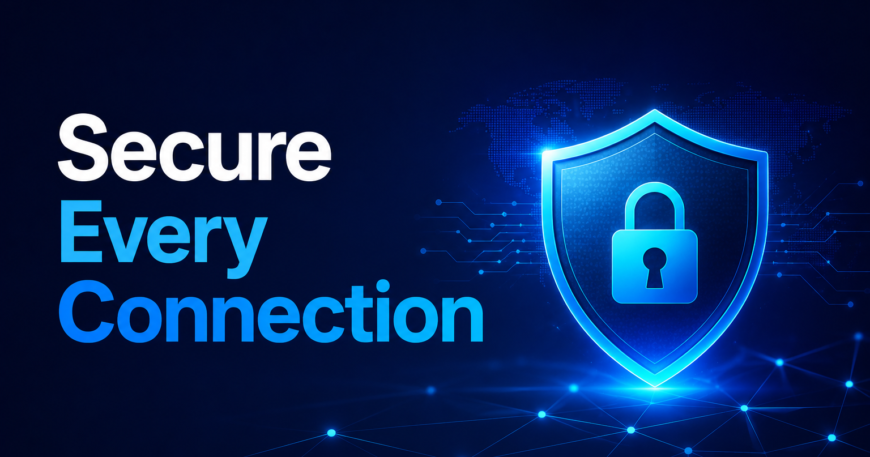
Cyber threats are evolving faster than ever. From ransomware attacks and phishing campaigns to insider threats and data breaches, businesses of every size are facing increasing cybersecurity risks.
In 2026, cybersecurity is no longer just an IT responsibility—it’s a critical business priority.
A single security incident can disrupt operations, damage customer trust, result in regulatory penalties, and cause significant financial losses.
This is why organizations are turning to cybersecurity consulting services to proactively identify vulnerabilities, strengthen their security posture, and prepare for emerging threats.
Rather than reacting to attacks after they occur, businesses are adopting a prevention-first approach.
What Are Cybersecurity Consulting Services?
Cybersecurity consulting services help organizations assess, design, implement, and continuously improve their information security strategy.
These services typically include:
- Security Risk Assessments
- Vulnerability Assessments
- Penetration Testing
- Security Architecture Design
- Compliance Consulting
- Identity & Access Management
- Incident Response Planning
- Security Awareness Training
The goal is to create a resilient security framework that protects business operations and sensitive data.
Why Businesses Need Cybersecurity Consulting
As businesses embrace cloud computing, remote work, AI, and connected devices, their digital attack surface continues to grow.
Common challenges include:
- Increasing ransomware attacks
- Weak access controls
- Outdated security policies
- Employee phishing risks
- Regulatory compliance requirements
- Limited internal cybersecurity expertise
Professional cybersecurity consulting helps businesses reduce these risks before they become costly incidents.
Benefits of Cybersecurity Consulting Services
Stronger Security Posture
Identify vulnerabilities before attackers can exploit them.
Reduced Business Risk
Minimize the likelihood of downtime, data loss, and financial damage.
Regulatory Compliance
Meet industry standards and compliance requirements with confidence.
Improved Incident Readiness
Develop response plans that reduce recovery time during security incidents.
Increased Customer Trust
Demonstrate a commitment to protecting customer and business data.
Real-World Example
A financial services company relies on cloud-based applications to manage sensitive customer information.
A cybersecurity assessment reveals several misconfigured access controls and outdated authentication practices.
After implementing multi-factor authentication, endpoint protection, security monitoring, and employee awareness training, the organization significantly reduces its exposure to cyber threats while improving compliance.
Industries Benefiting from Cybersecurity Consulting
Healthcare
Protect patient records and meet healthcare compliance standards.
Financial Services
Secure financial transactions and sensitive customer information.
Manufacturing
Protect operational technology and connected production systems.
Retail & E-Commerce
Safeguard payment systems and customer data.
Professional Services
Secure confidential business information and remote work environments.
Cybersecurity Trends in 2026
AI-Powered Threat Detection
Artificial intelligence is improving real-time threat identification and response.
Zero Trust Security
Organizations are adopting identity-based security models with continuous verification.
Cloud Security Optimization
Businesses are strengthening cloud-native security across hybrid environments.
Security Automation
Automated detection and response reduce incident response times.
Continuous Compliance Monitoring
Organizations are using automated tools to maintain ongoing regulatory compliance.
Common Cybersecurity Mistakes
Businesses should avoid:
- Treating cybersecurity as a one-time project
- Using weak passwords or outdated authentication
- Delaying software updates and patch management
- Neglecting employee security training
- Failing to test disaster recovery and incident response plans
An effective cybersecurity strategy requires continuous improvement and regular assessments.
How ThinkDebug Helps
ThinkDebug delivers cybersecurity consulting services that help businesses build secure, resilient, and compliant IT environments.
Our services include:
- Cybersecurity Assessments
- Vulnerability Assessment & Penetration Testing (VAPT)
- Security Policy Development
- Cloud Security Consulting
- Identity & Access Management
- Compliance & Risk Management
- Security Monitoring & Incident Response
We help organizations protect critical systems, reduce cyber risk, and build confidence in their digital operations.
Conclusion
Cybersecurity has become a strategic investment rather than an operational expense.
Organizations that prioritize cybersecurity consulting strengthen their defenses, protect valuable data, reduce business risk, and maintain customer trust.
In 2026, businesses that take a proactive approach to cybersecurity are better prepared for an increasingly complex digital landscape.

