01
The user did not choose the product
Students use what the institution bought, on whatever device and connection they have. Clarity and accessibility are functional requirements here.
Practical deep dives on software architecture, AI systems, and scaling digital products - drawn from the work we ship.
Learning platforms, assessments and cohort management.

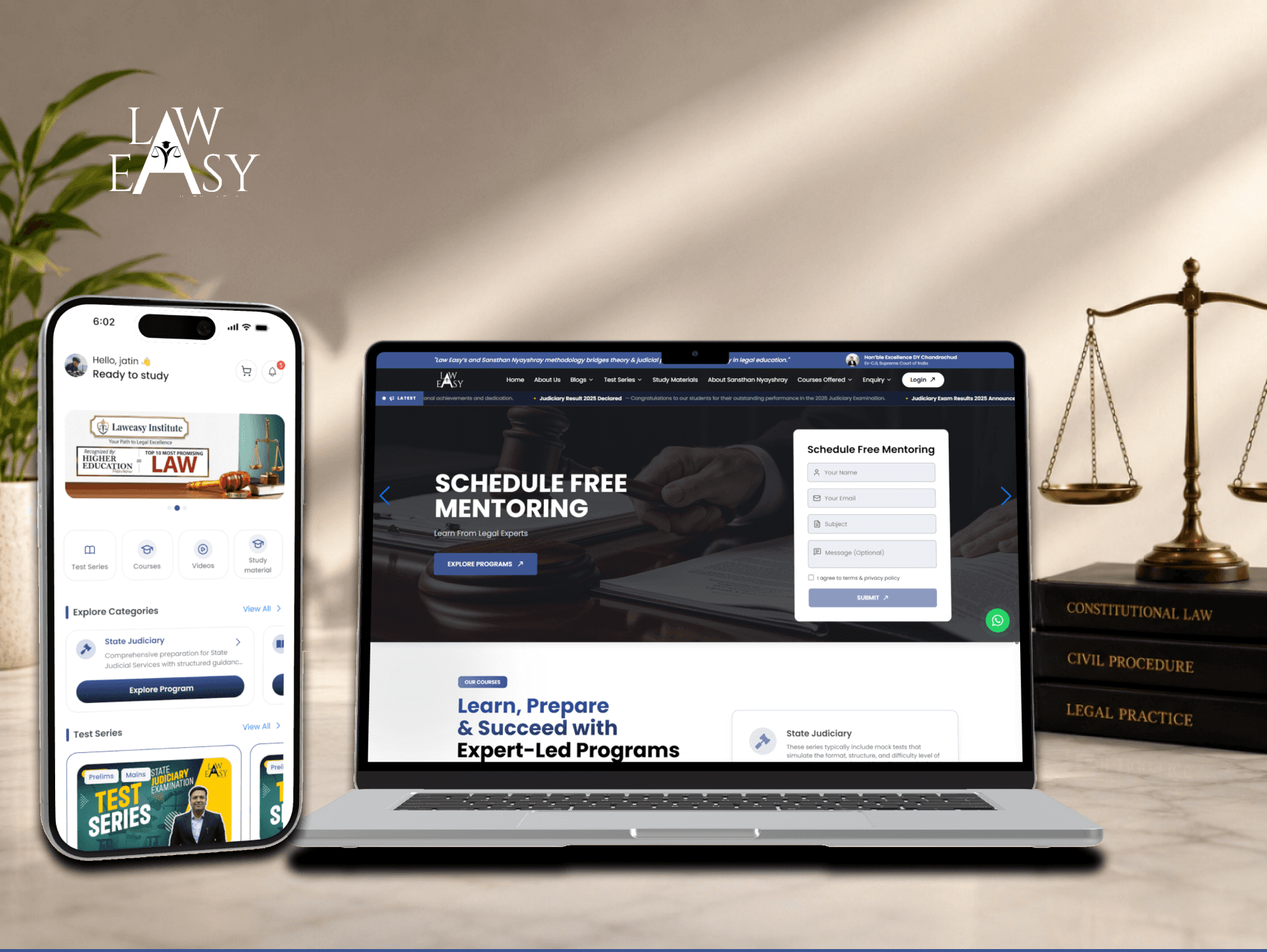
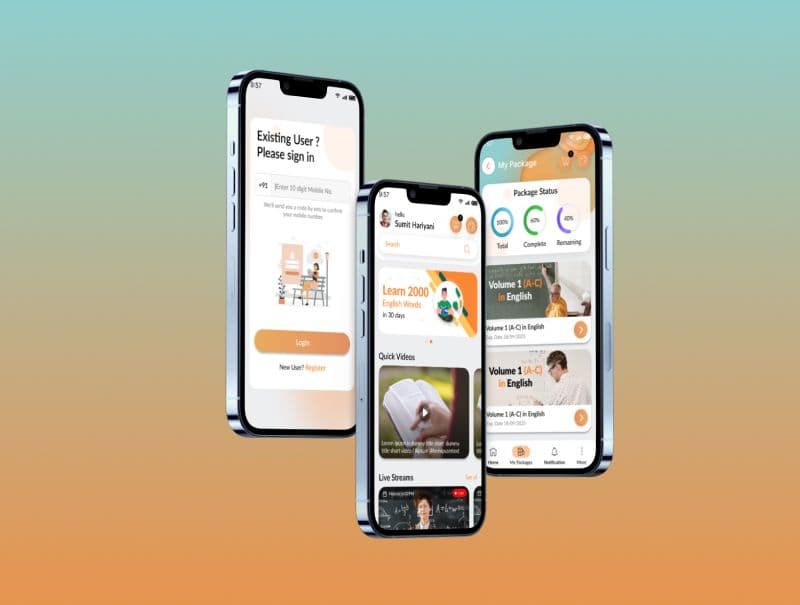
We build learning platforms and the systems around them: course delivery and video, assessment and proctoring, cohort and classroom tooling, and the reporting that tells an institution whether any of it is working.
Education software has an unusual constraint: the people using it did not choose it. A student uses the platform their institution bought, on the device and connection they happen to have. That makes accessibility, low-bandwidth behaviour and plain clarity functional requirements rather than nice-to-haves.
The second constraint is that the data is about minors and about attainment. Grades, progress and behaviour records carry obligations - FERPA, COPPA, GDPR and their local equivalents - that shape the schema, not just the privacy policy.
The constraints that shape every build in this sector, and the ones teams usually meet too late.
Students use what the institution bought, on whatever device and connection they have. Clarity and accessibility are functional requirements here.
Enrolment week and exam day are the year in a few hours. Capacity for a normal Tuesday is the reason a results day fails.
Lecture and course video dominates both the experience and the bill, and it has to degrade gracefully on a poor connection.
Grades, progress and behaviour records carry legal obligations that shape the schema, not just the privacy policy.
Proctoring, question banks and randomisation all trade off against cost, accessibility and how invasive the experience feels.
SIS, LMS and identity providers already exist, and standards like LTI and SCORM constrain what the product can assume.
Swipe to read all 6
Each one is a system we have built before, not a capability we are willing to try.
Course structure, progress and video delivery that works on a phone and a weak connection as well as a laptop.
Question banks, randomisation, grading and integrity tooling proportionate to the stakes of the exam.
Scheduling, attendance, breakout and discussion tools built around how teaching actually runs.
LTI, SCORM, xAPI and SSO integrations so the product fits the systems an institution already runs.
Progress, engagement and outcome reporting that administrators can defend to a board or a regulator.
Cohort enrolment, institutional billing and consumer subscriptions in one model.
Engagements across sectors - the same team, the same standards.
Partnering with Thinkdebug to develop the Forever 52 mobile app has been a game-changer for us. They were always open to feedback, and it was clear they were as invested in our success as we were. What really sets them apart, though, is the amazing support we've received since the app launched. They’ve made sure the app continues to run smoothly and are always ready to fix any issues that come up.DMDhruv MehtaBusiness Head, Forever 52
Chosen for fit and long-term maintainability, never for novelty.
Send us the scope and we come back with an itemised estimate - no discovery fee, no obligation.
What we design and document against, from the first commit rather than the week before an audit.
Certification itself belongs to your entity and its assessor. What we provide is software built and documented so the assessment is about evidence rather than remediation.
Most of our work comes from clients we already shipped for. These are the reasons they give.
Keyboard paths, contrast and screen-reader behaviour are part of the component library, because retrofitting WCAG across a learning platform is a rebuild.
We plan capacity against your two worst hours of the year and rehearse them, rather than finding the ceiling when every student logs in at once.
Adaptive streaming and offline-friendly behaviour, so a student on a poor connection still gets the lesson.
The interface assumes no training and no choice, which is the actual situation most students and many teachers are in.
LTI, SCORM, xAPI and SSO are treated as first-class, so a procurement conversation does not stall on integration.
Grades and progress are recorded with history and provenance, because a disputed mark needs an answer, not a best guess.
Let's start with you.
Your information stays private. We reply within 24 hours.
Still have a question we have not answered?
Ask an engineerWhat we build for edtech, the work we have shipped, and what we have written about it.