Building Digital
Products That Power
Modern Businesses
ThinkDebug designs and develops scalable web platforms, mobile applications, AI solutions, SaaS products, and enterprise systems that help businesses innovate faster and grow smarter.
Trusted by industry-leading partners
Building software
teams actually trust.
At ThinkDebug, great software is more than shipping features - it's about building systems teams can rely on. From first architecture to the final pixel, we engineer products around what truly matters to your business.
With senior engineers, proven delivery workflows, and an obsession for quality, we make building software fast, scalable, and genuinely reliable.
Our process for delivering excellence
A clear, proven path from first conversation to launch - and the ongoing support that follows.
Understanding Your Needs
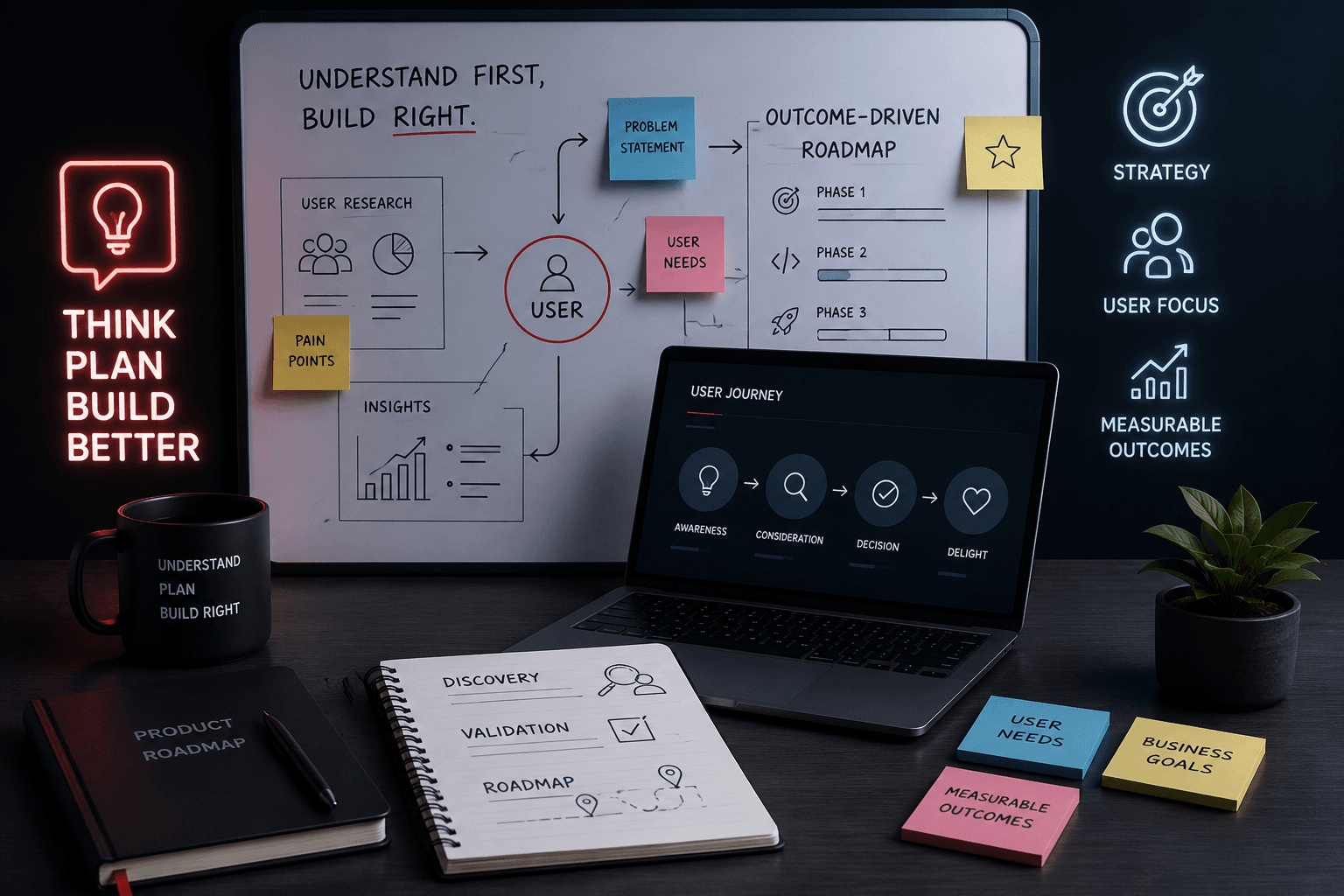
We start with your goals - discovery, validation and roadmaps before a line of code. You get a product, not just a deliverable.
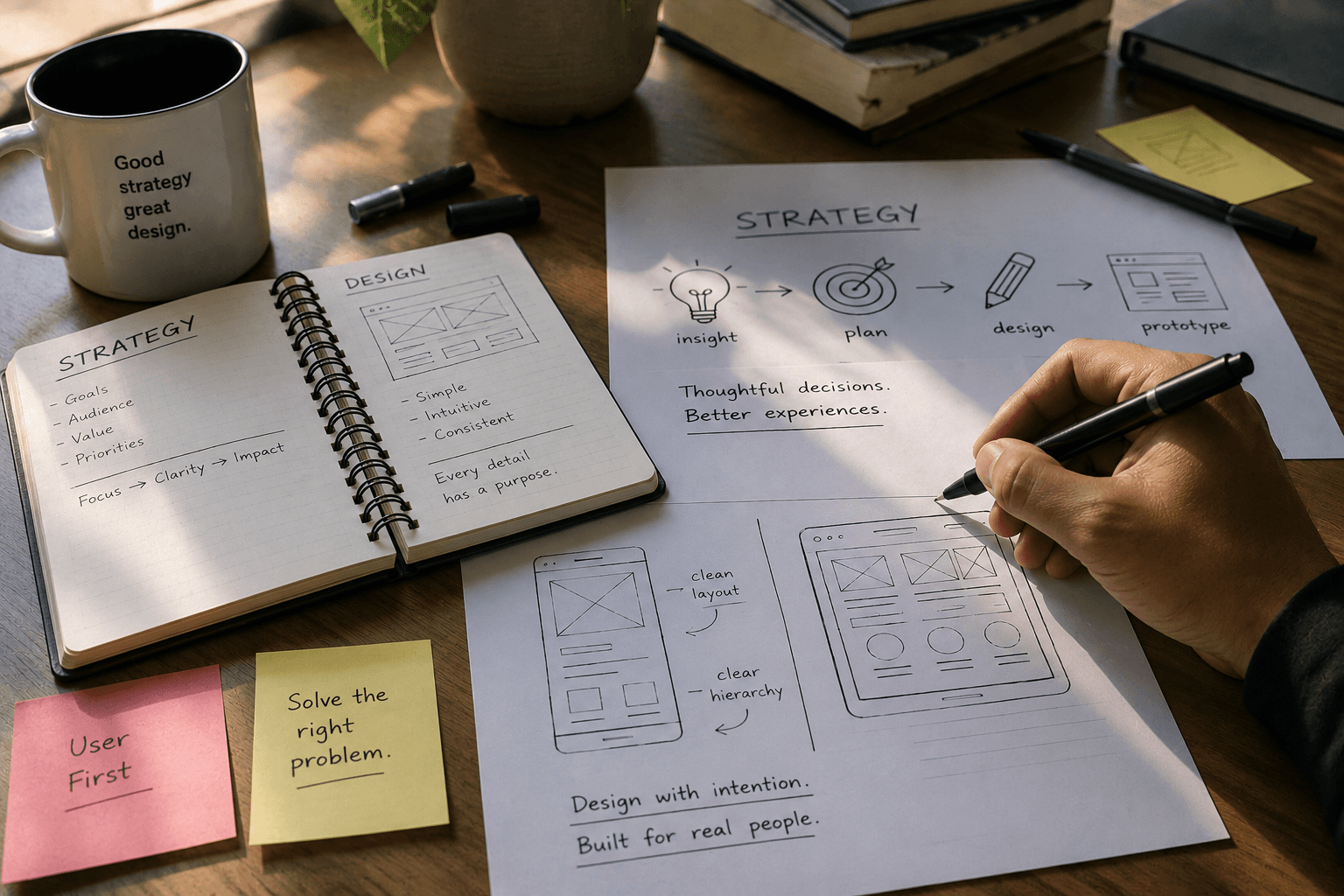
Strategic Planning & Design
Our team crafts a tailored strategy and designs user-friendly, impactful interfaces - every decision intentional.
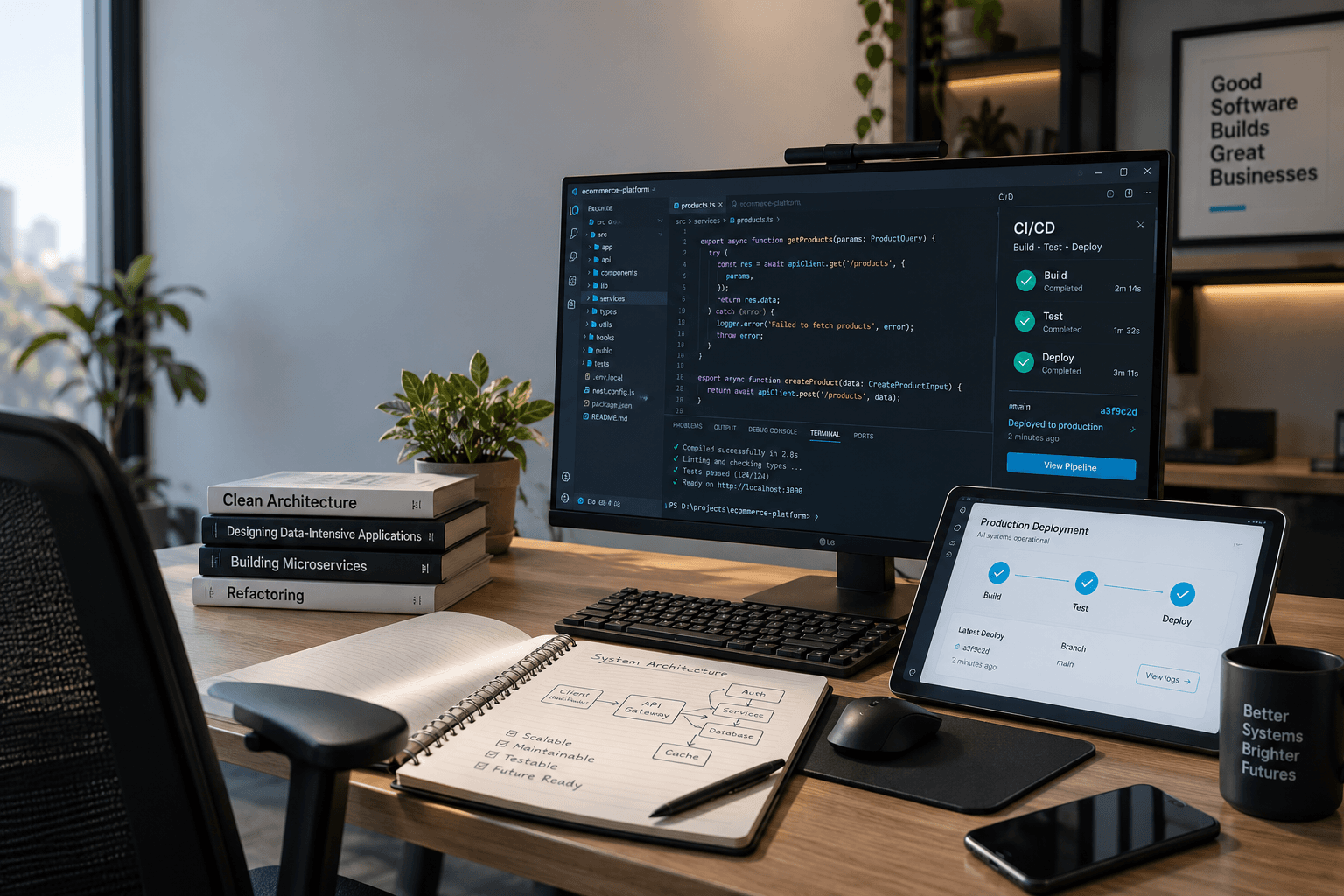
Development & Implementation
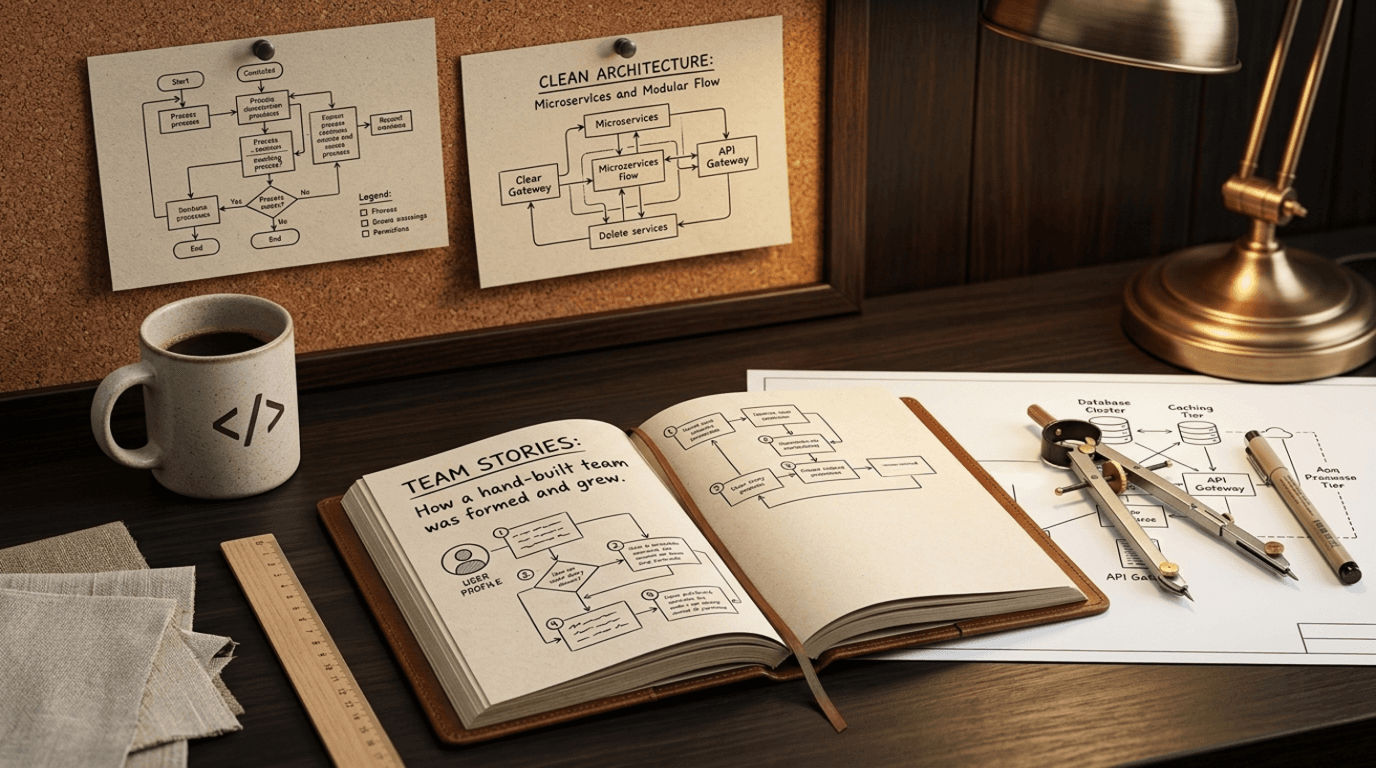
Senior engineers, clean architecture and automated testing. Code that ships fast and keeps growing with you - no shortcuts, no tech debt.
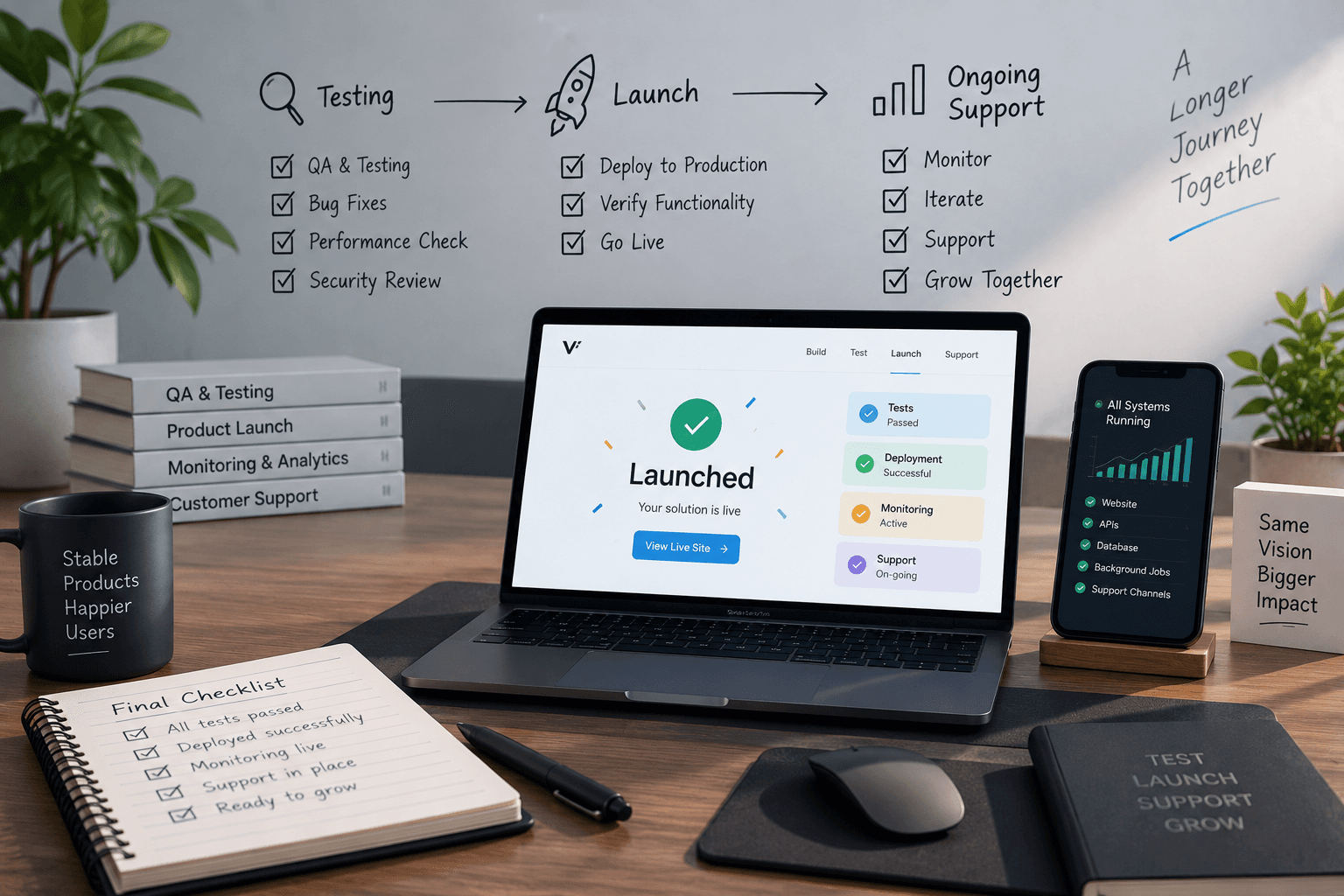
Testing, Launch & Support
After rigorous testing we launch your solution and stay on - monitoring, iterating and supporting as you grow.
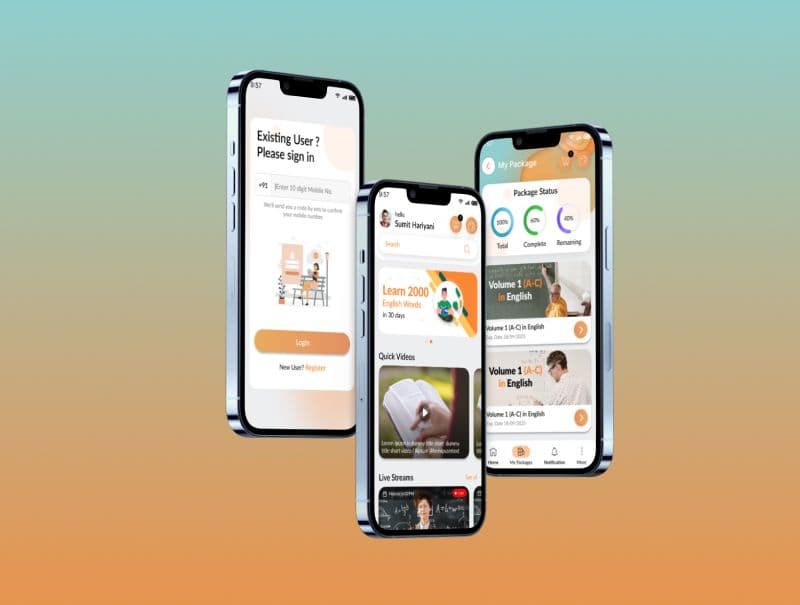
Proven performance
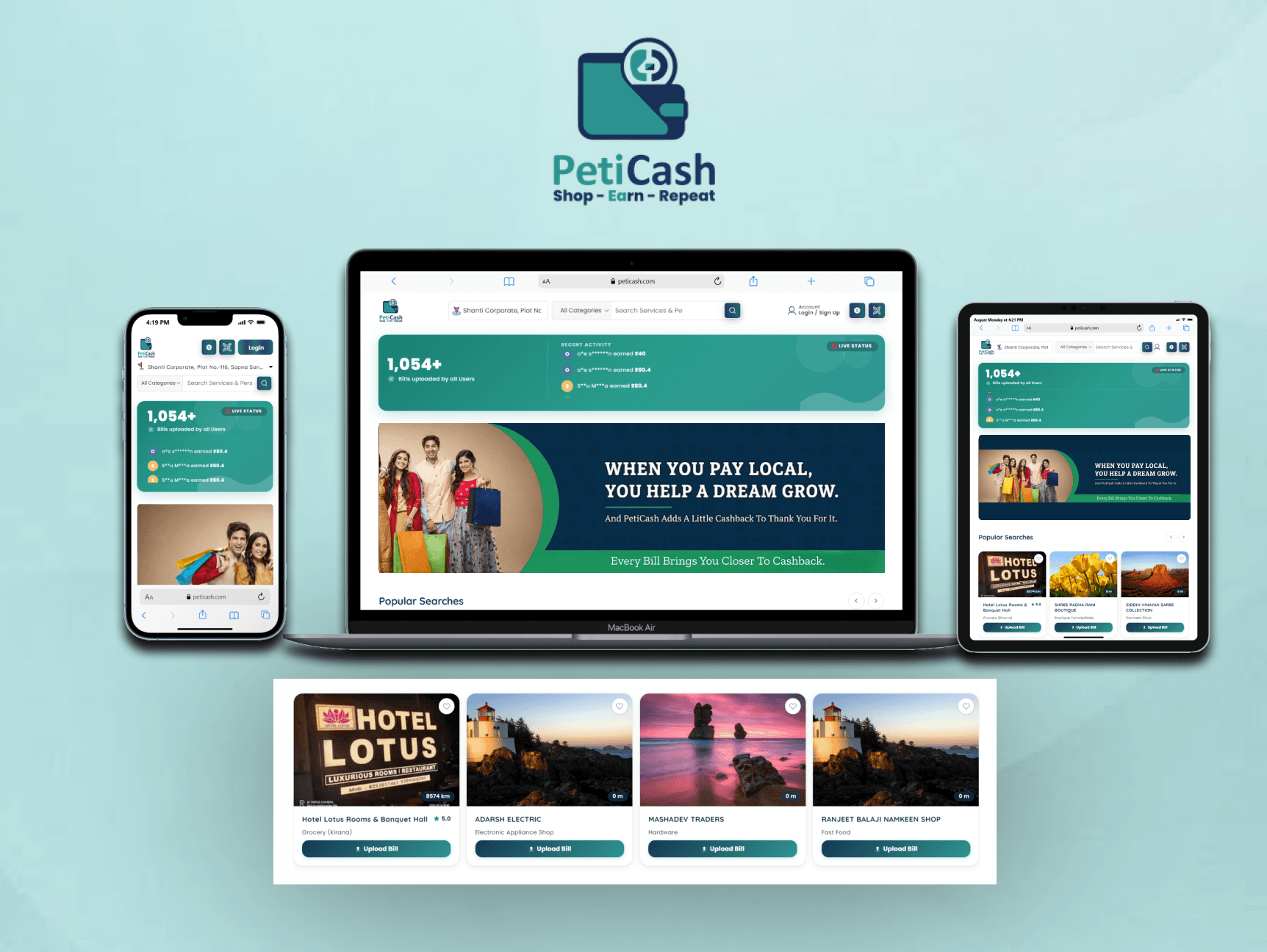
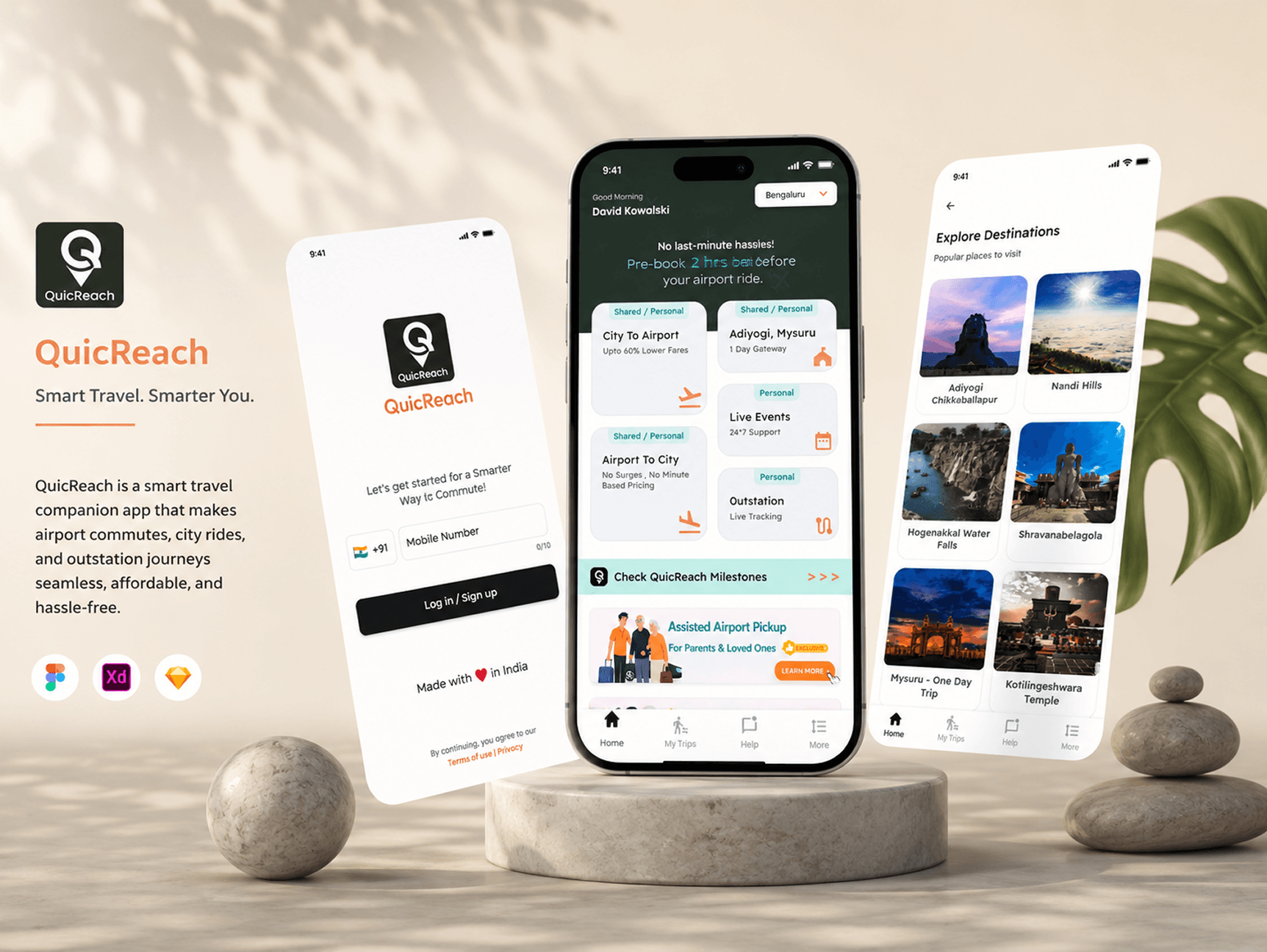
A look at products we've engineered and scaled - real outcomes for teams building at the edge of their industries.
Our operating principles
Move Fast
Ship in weeks, not months - proven workflows and zero busywork.

One connected engineering core
Every layer of our stack works as one integrated pipeline. It cycles automatically - hover to pause, or click a node to bring it into focus.
Frontend
Engineering Insights
Thoughts, guides and deep dives on technology, architecture and engineering best practices.
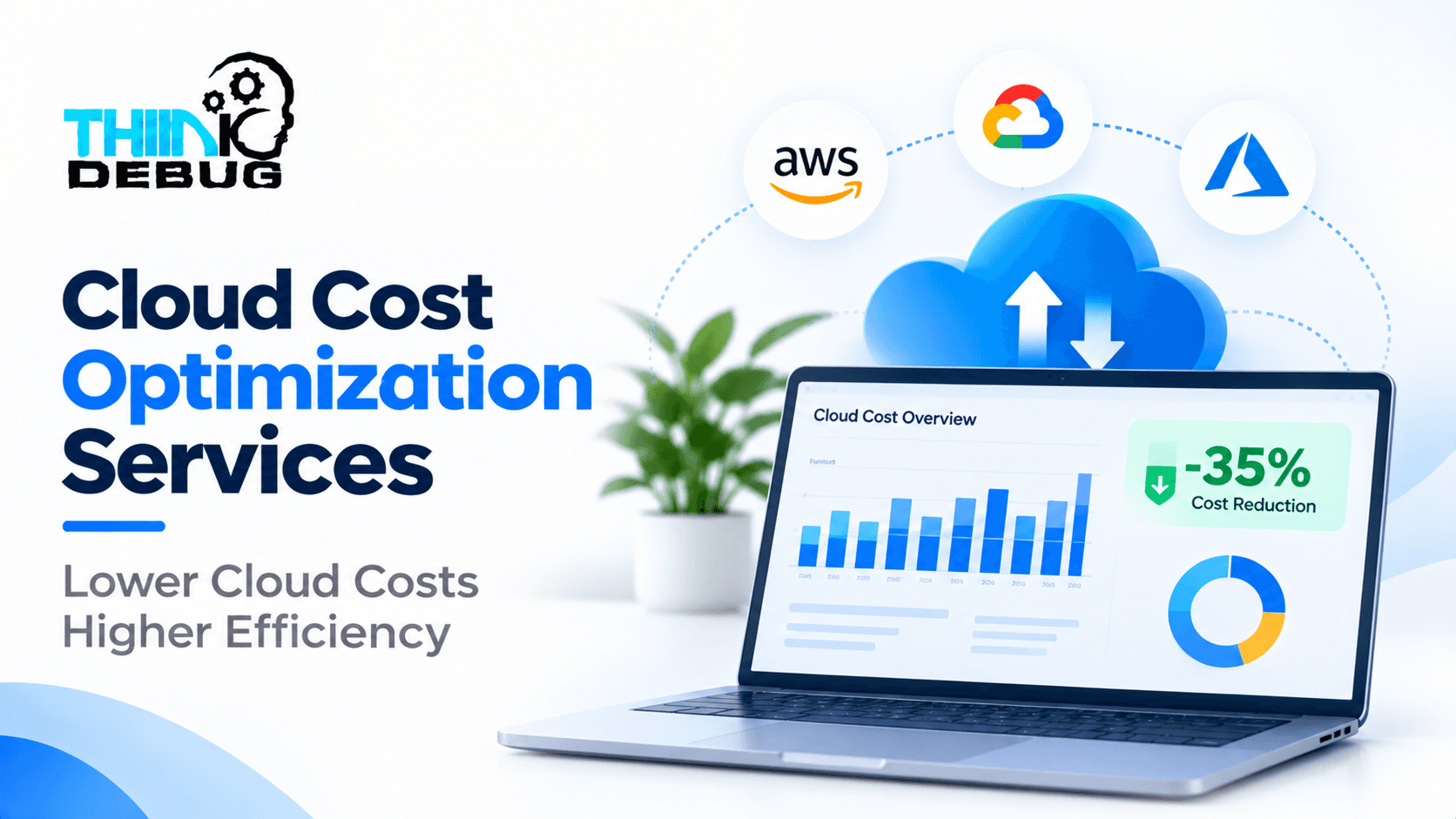
Cloud Cost Optimization Services: Reduce Cloud Spending Without Compromising Performance
Moving applications to the cloud can help businesses scale faster, improve flexibility, and reduce the burden of managing physical infrastructure. However, cloud spending can become difficult to contr…
Explore by Topic
What our clients say
Founders and engineering leaders on what it's like to build with ThinkDebug.
Partnering with Thinkdebug to develop the Forever 52 mobile app has been a game-changer for us. They were always open to feedback, and it was clear they were as invested in our success as we were. What really sets them apart, though, is the amazing support we've received since the app launched. They’ve made sure the app continues to run smoothly and are always ready to fix any issues that come up.
Start a conversation
Four quick fields - under a minute. Nothing sends until the last step, so take your time.
What's your name?
Or reach us directly
Skip the form and talk to a human.
Emailinfo@thinkdebug.com1 business day
A real engineer reads your message and replies - no bots, no drip sequence.
A short call
We pressure-test the goal, the scope and how we can help.
A written proposal
Phases, timeline and price. You decide with the numbers in front of you.